L'eau est source de vie et sa qualité est directement liée à la santé humaine, à l'équilibre écologique et au développement durable de l'industrie et de l'agriculture. Un contrôle rigoureux est essentiel pour l'eau du robinet que nous buvons quotidiennement et pour les cours d'eau, les lacs et les mers. Auparavant, les analyses de la qualité de l'eau impliquaient souvent des procédures de laboratoire complexes, un équipement encombrant et de longs délais d'attente. Aujourd'hui, grâce aux progrès rapides de l'Internet des objets et des technologies de détection, un « super-détective » transforme discrètement ce paysage.
le capteur de qualité de l'eau multiparamètre.
Qu'est-ce qu'un capteur multiparamètre RS485 ?
Ce capteur de qualité de l'eau intelligent et tout-en-un mesure simultanément jusqu'à 8 paramètres (dont la température) et prend en charge des configurations personnalisées. Il couvre des indicateurs clés tels que l'oxygène dissous, la DCO (demande chimique en oxygène), le pH, le potentiel d'oxydoréduction (ORP), la conductivité/salinité, l'azote ammoniacal et la turbidité. Grâce aux protocoles de communication RS-485 et Modbus/RTU, il transmet les données en toute transparence à diverses plateformes de collecte, permettant ainsi une utilisation multiple et une surveillance en ligne en temps réel.
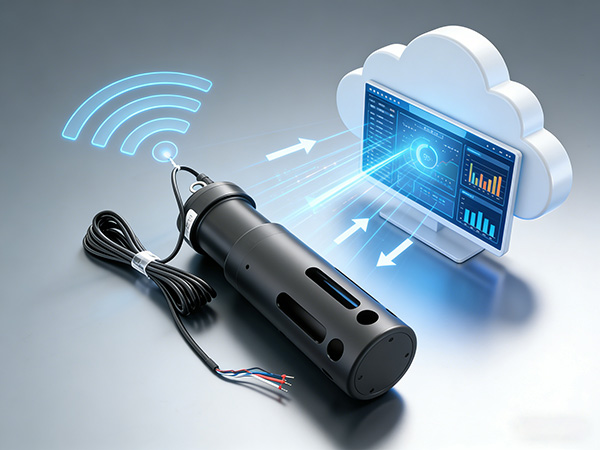
Caractéristiques principales : Autonettoyage et intégration de haute précision
1. Système autonettoyant intelligent : réduction drastique des coûts de maintenance
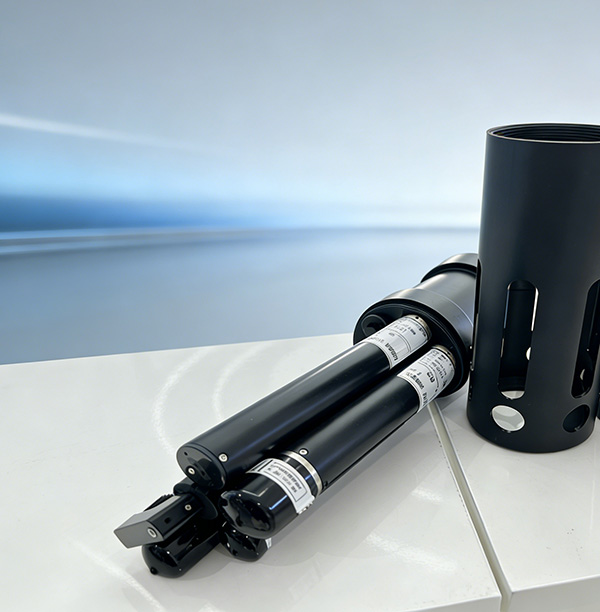
La bio-encrassement et la contamination constituent les problèmes les plus épineux pour les capteurs sous-marins traditionnels, entraînant une dérive des données et une maintenance manuelle fréquente. Ce capteur est équipé de manière innovante d'une brosse de nettoyage automatique, permettant aux utilisateurs de paramétrer librement les intervalles et les cycles de nettoyage en fonction de la qualité de l'eau. Ce mécanisme intelligent nettoie efficacement la surface du capteur, empêchant l'adhérence microbienne et particulaire. Il garantit non seulement des données de mesure plus stables et précises, mais allonge également considérablement les cycles de maintenance et réduit les coûts d'exploitation.
2. Combinaisons multiparamètres flexibles : Couvrant les besoins de surveillance courants
Le capteur prend en charge différentes combinaisons de sondes de détection numériques, notamment :
-
Oxygène dissous (OD) : 0–20 mg/L, précision ±2 %
-
DCO/Turbidité intégrée : plage de DCO de 0 à 500 mg/L, avec compensation de turbidité intégrée.
-
pH/ORP : précision du pH ±0,1 ; plage ORP de -1500 à +1500 mV
-
Conductivité/Salinité : Plage de mesure 0–200 mS/cm ou 0–70 PSU
-
Azote ammoniacal : plage de 0 à 1000 mg/L
-
• Température : 0–50 °C, précision ±0,3 °C
Toutes les sondes sont dotées d'une sortie de signal numérique avec une forte capacité anti-interférences et prennent en charge l'étalonnage et le diagnostic à distance.
3. Conception structurelle robuste et fiable
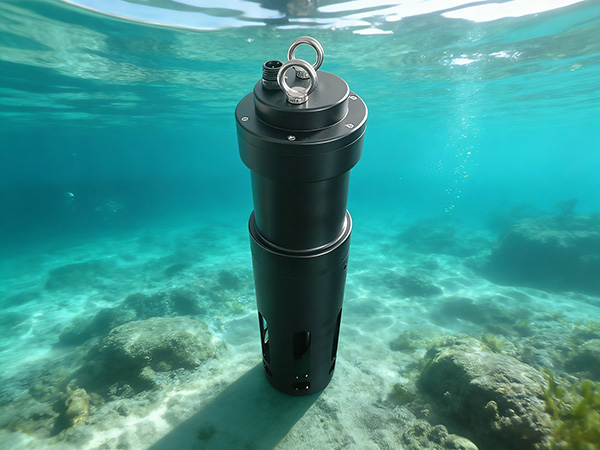
Le boîtier du capteur est fabriqué en POM (polyoxyméthylène) et en acier inoxydable 316L, avec un indice de protection IP68, permettant un fonctionnement prolongé en immersion. Son couvercle de protection avant protège les sondes des grosses particules en suspension et intègre des rainures de guidage d'écoulement pour assurer un flux d'eau régulier et des mesures fiables. Le connecteur étanche rapide et la conception de l'anneau de levage robuste facilitent grandement l'installation et le démontage.
Avantages : Un changement de paradigme, passant d'une surveillance ponctuelle à une surveillance de zone en temps réel
-
Continuité en temps réel : une surveillance en ligne 24h/24 et 7j/7 capture instantanément les changements de la qualité de l'eau et alerte en cas d'incidents de pollution.
-
Haute efficacité et faible coût : élimine les prélèvements manuels fréquents ; le nettoyage automatique réduit la charge de travail de maintenance sur site.
-
Intégration intelligente de l'IoT : grâce à la communication Modbus RS-485, les données peuvent être directement connectées aux plateformes de protection de l'environnement, aux systèmes de contrôle de l'aquaculture ou aux systèmes SCADA industriels pour la surveillance à distance et les fonctions d'alarme.
Scénarios d'application : Le gardien omniprésent
Grâce à leurs puissantes capacités, les capteurs de qualité de l'eau multiparamètres sont largement utilisés dans divers domaines :
-
Protection de l'environnement : surveiller les eaux de surface des rivières, des lacs et des réservoirs, et émettre des alertes précoces en cas de prolifération de cyanobactéries ou de rejets industriels illégaux.
-
Aquaculture : Aider les agriculteurs à surveiller la qualité de l'eau des étangs en temps réel, à contrôler précisément les aérateurs et à réduire les risques de mortalité des poissons causés par la détérioration de la qualité de l'eau.
-
Sécurité de l'eau potable : La surveillance en temps réel de la qualité des effluents dans les stations de traitement des eaux et les systèmes d'approvisionnement en eau secondaires garantit une eau potable saine pour les ménages.
-
Traitement des eaux usées industrielles : Superviser la conformité des rejets d'eaux usées des usines et aider les entreprises à atteindre une production plus écologique.
-
Eau pour piscines et aménagements paysagers : Maintien automatique de la clarté et de l’hygiène de l’eau, pour une expérience utilisateur optimale.
Perspectives d'avenir
Grâce à l'intégration des technologies de microfabrication MEMS, des nanomatériaux et des algorithmes d'intelligence artificielle, les futurs capteurs de qualité de l'eau seront plus miniaturisés, moins énergivores et ne nécessiteront aucun entretien. Ils se déploieront comme des neurones dans tous les recoins des systèmes hydriques, constituant ainsi un vaste « réseau neuronal écologique de l'eau ».
D'une simple bouteille d'eau à un océan entier, des capteurs multiparamètres de qualité de l'eau protègent discrètement la ressource vitale de notre planète bleue grâce à leurs « sens » aiguisés et à leur « intelligence » hors pair. Une technologie au service du bien commun, la gestion de l'eau avant tout – attendons-nous à d'autres surprises de la part de ce « super détective » à l'avenir.
https://www.zonewuiot.com/water-quality-sensors_c1